

When you choose a service to transport your embryos, eggs or sperm, you need more than a courier. You need a partner who understands what is inside the tank: years of treatment, hope and a future family. At LifeParcel, that understanding shapes every decision we make, and it is why, over more than 15 years, we have completed more than 3,200 missions across 32+ countries on 5 continents.
If you are comparing fertility couriers, this guide explains what safe IVF transport really involves, and the seven things that set LifeParcel apart.
Why safe IVF transport needs more than shipping
LifeParcel was founded by Aharon Peretz, a senior embryologist who spent years in IVF labs watching transport go wrong for families: specimens delayed at customs, tanks X-rayed at airports, shipments lost between handlers. He knew the science of keeping reproductive material safe, and he built a transport service around it.
“Too many times, I’ve watched patients get derailed by issues with international shipping, temperature control, or regulatory compliance. They’d pour their heart and soul into IVF, only to have the final hurdle of getting their precious cargo from point A to point B become a nightmare.”
Aharon Peretz, Founder
When a tank is sent as cargo through a commercial cryoshipping service, it moves through transfer facilities and cargo holds, changing hands several times along the way. Every handoff is a moment when temperature, timing or screening can go wrong. Safe IVF transport removes those moments.
1. One courier, one tank, an unbroken chain of custody
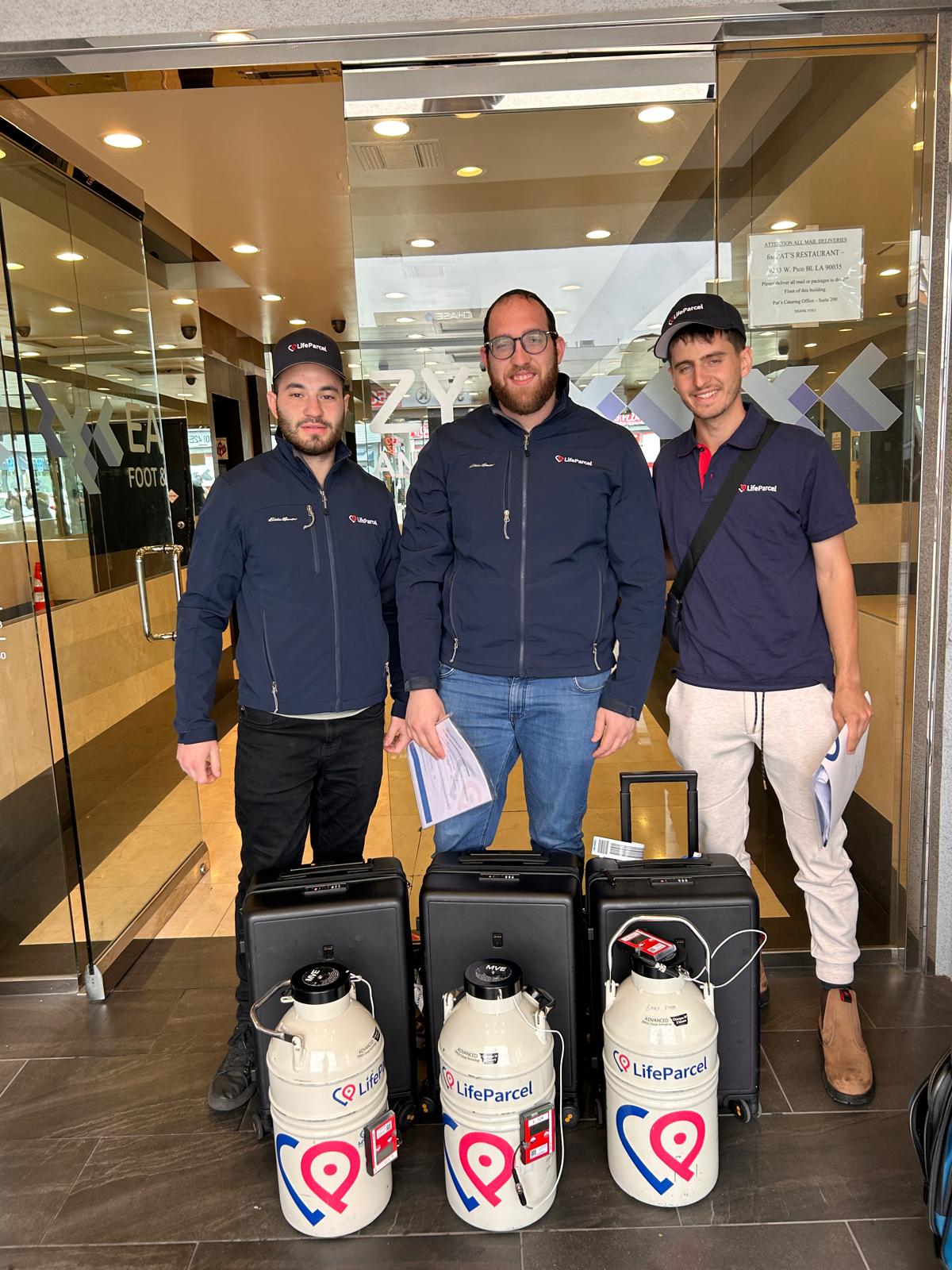
Every LifeParcel mission is hand-carried. One dedicated, trained courier collects your materials from the releasing clinic and personally delivers them to the receiving clinic. The tank travels with the courier in the aircraft cabin and never enters a warehouse, a loading dock or a cargo hold.
This unbroken chain of custody means there is always one person responsible for your materials, and every step of the journey is documented. You can read more about what actually happens to your specimens during transport.
2. Embryologist-led expertise in every protocol
As an embryologist-owned company, we design our procedures around the biology of what we carry. Our protocols cover how cryoshippers are selected and prepared, how couriers handle tanks, and how the team responds if anything changes during a mission.
This scientific background also matters in practice. When a courier speaks with airport security or customs officers, they can explain exactly what they are carrying and why it needs special handling. When a question comes up mid-journey, the people answering it understand the clinical implications.
3. Temperature control you can rely on
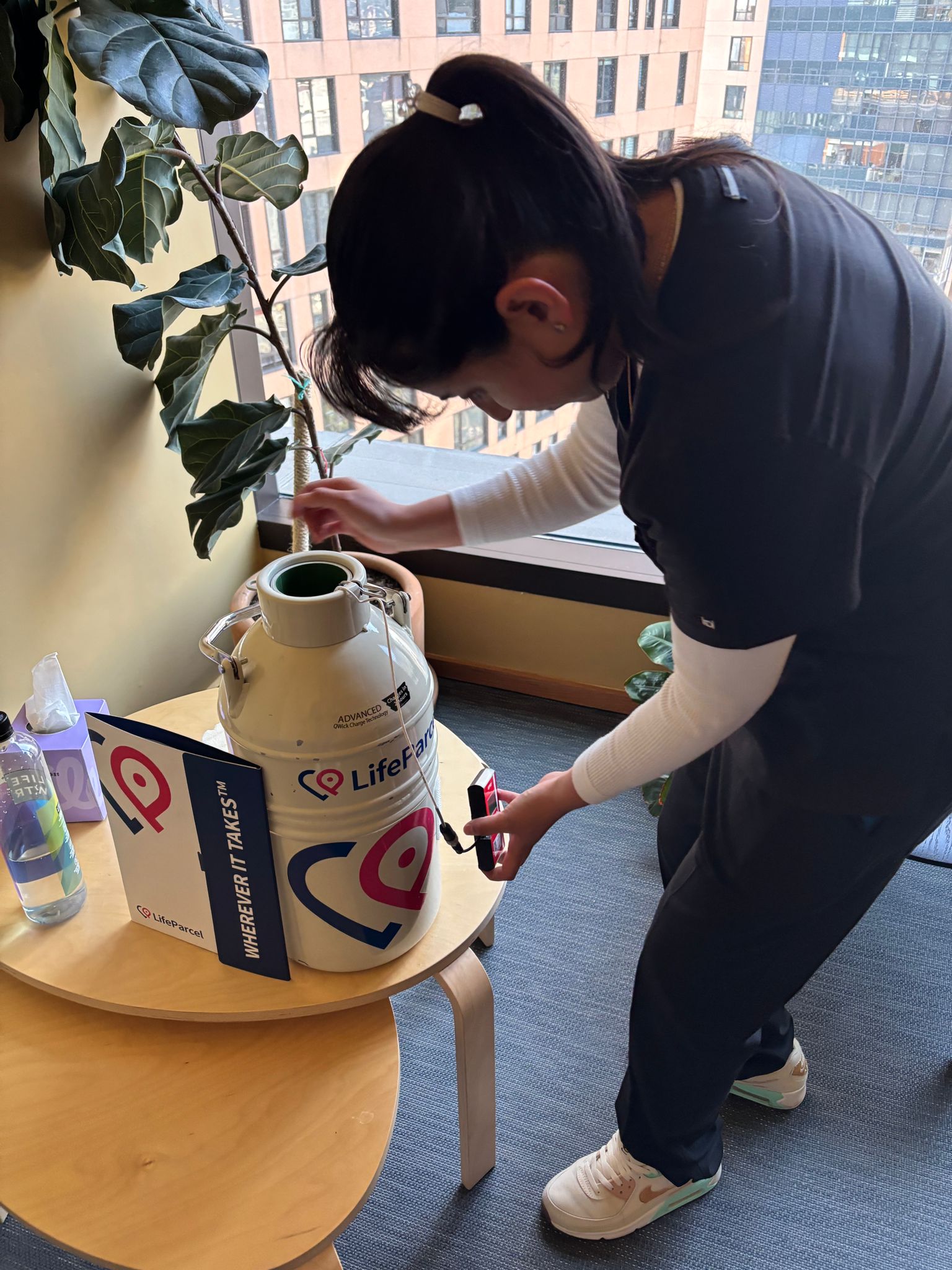
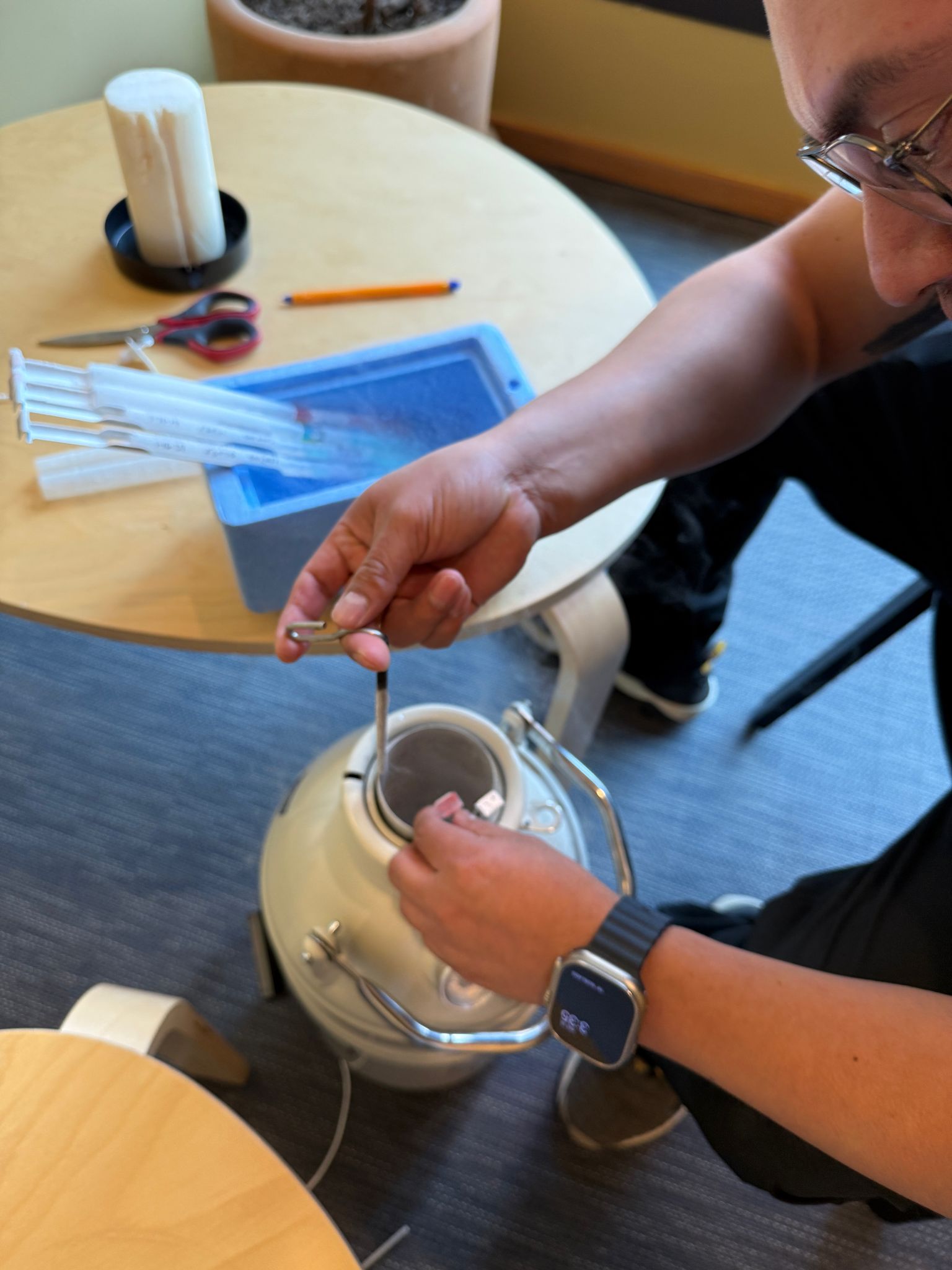
Embryos, eggs and sperm are stored at -196°C, and they need to stay there for the entire journey. Our medical-grade cryoshippers hold that temperature for up to 21 days, far longer than our typical 3–4 day missions. Each shipper is tested and pre-conditioned before every mission.
Every tank is fitted with a data logger that records the temperature 24/7, and with GPS tracking that follows its location around the clock. Together they give a full record of conditions and location from pickup to delivery, and an early alert if anything changes. To learn how these containers work, see how fertility material shipping containers work.
4. No X-ray exposure, and smooth customs clearance
Airport security scanners are one of the biggest hidden risks in fertility transport. Our couriers arrange non-X-ray screening at every checkpoint, so your materials are never put through a scanner. Here is why X-ray exposure matters for fertility specimens.
International missions also mean customs. Our team prepares the required documentation in advance, and our couriers declare your materials in person and handle any questions at the border directly. Our guide on preventing IVF shipping customs problems explains what can go wrong and how we avoid it.
5. Careful preparation, and a plan for the unexpected
Every mission starts well before pickup. Our coordinators confirm documentation, sample details and travel requirements with both clinics, and plan the route around clinic hours on each end.
We also plan for what could go wrong. Weather, missed connections and customs delays are mapped out in advance, with alternate routes and 24/7 support ready if they are needed. And because our shippers hold temperature far longer than a typical mission, there is a wide safety margin built into every journey.
6. A global network of 150+ partner clinics
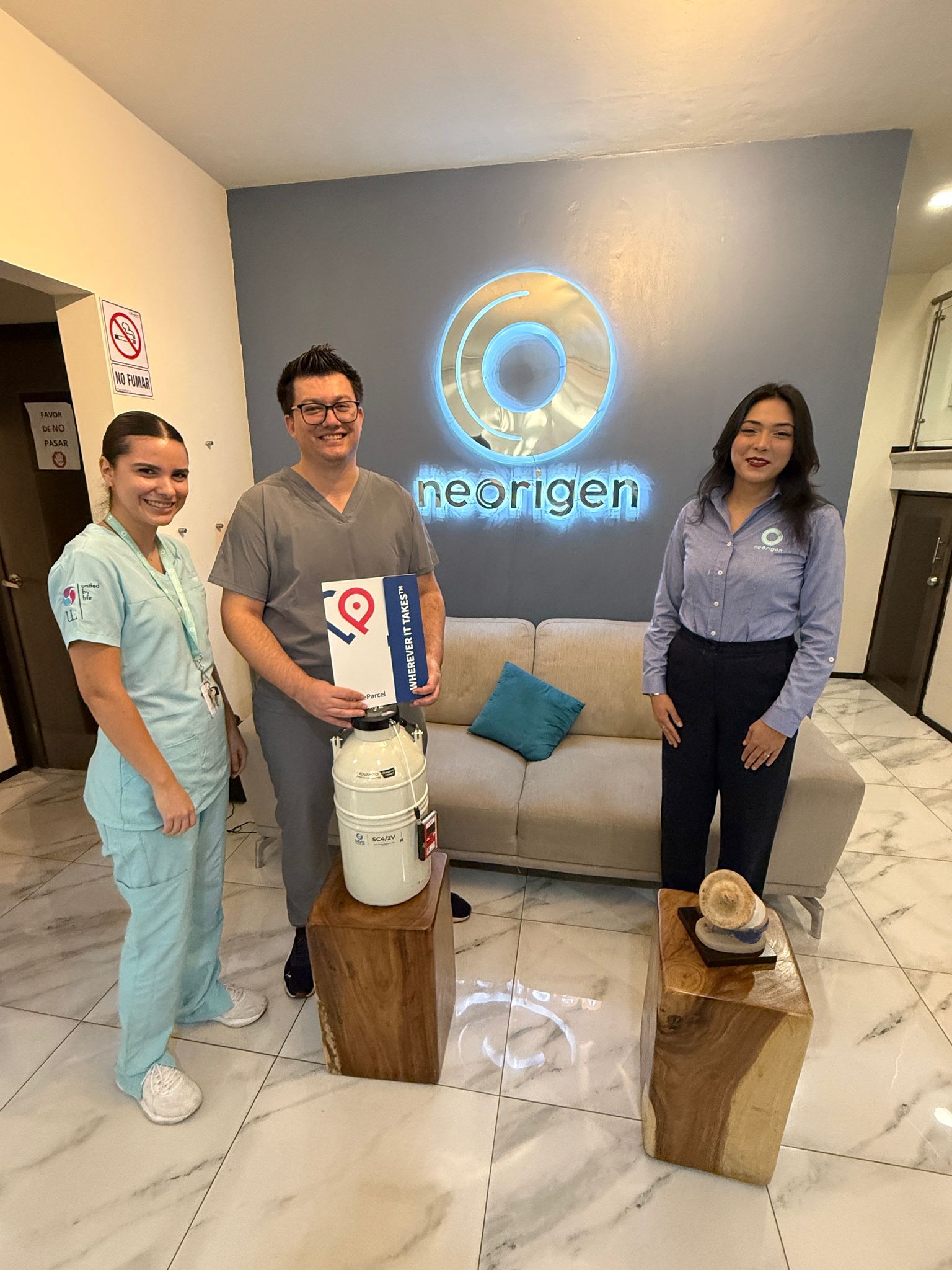
We work with more than 150 fertility clinics and research centers across 32+ countries. These relationships help us understand each clinic’s requirements in advance, from release and acceptance forms to delivery windows and lab protocols, so missions move smoothly from one facility to the next.
7. A dedicated concierge, around the clock
Every client has a dedicated concierge: one familiar point of contact who manages the logistics, coordinates with both clinics and keeps you updated throughout the mission. This is not a call center. It is personal support from someone who knows your case, available 24/7 while your materials are on the move.
What this means for clinics
For IVF clinics, a reliable transport partner means less administrative work and fewer surprises. Our concierge team handles the coordination, documentation and communication with patients, so your staff can stay focused on care. If you would like to work with us, visit our page for clinics and agencies.
What makes LifeParcel different from other fertility courier services
Many companies can move a tank from one place to another. What sets a fertility courier apart is everything around the journey. At LifeParcel, that means:
- Science first. Our protocols are written by an embryologist, not adapted from general logistics.
- No handoffs. One courier from pickup to delivery, with the tank in the aircraft cabin.
- No X-ray. Non-X-ray screening is arranged at every checkpoint.
- Always visible. 24/7 GPS tracking and temperature logging on every tank.
- Experience. More than 15 years and 3,200+ missions in cross-border fertility transport.
- A wide safety margin. Shippers rated for up to 21 days on missions that typically take 3–4.
- Real people. A dedicated concierge who knows your case, instead of a tracking number.
Transport logistics should be the least stressful part of a fertility journey. By removing the most common points of failure, we let families and clinics focus on what matters most: the treatment itself.
What families say
LifeParcel holds a 5-star rating on Google. Here is what two families wrote:
“I worked with LifeParcel for International Cryotransport between US and Mexico for IVF. From start to finish, the process was so quick, seamless and truly stress-free. I’m so grateful they were recommended by both my fertility clinic and surrogacy agency. I had all the comfort in knowing that this important shipment was well taken care of 🙂 Would highly recommend to others!”
Sherri S., Google review
“LifeParcel made what could have been a stressful process incredibly smooth. LifeParcel transported my embryos safely and much faster than I expected. A special shoutout to Tehila, who was incredibly fantastic, professional, and kept me informed throughout the entire process, from pickup to delivery.”
Pedro A., Google review
Read more on our testimonials page.
Frequently asked questions
What makes hand-carry transport safer than sending a tank as cargo?
With hand-carry transport, one courier keeps your materials in sight from pickup to delivery. There are no handoffs, no warehouses, no cargo holds and no X-ray screening, which removes the most common points where transport goes wrong.
How long can a cryoshipper keep embryos frozen?
Our medical-grade cryoshippers hold -196°C for up to 21 days. A typical LifeParcel mission takes 3–4 days, so every journey has a large safety margin.
Do you work directly with IVF clinics?
Yes. We work with more than 150 clinics and research centers across 32+ countries, and our concierge team coordinates release, acceptance and delivery details directly with both clinics on every mission.
Will I know where my materials are during the mission?
Yes. Your dedicated concierge keeps you updated throughout the mission, from pickup to confirmed delivery at the receiving clinic.
Trust LifeParcel to carry your future
One courier, embryologist-led protocols, verified temperature control, no X-ray exposure and a concierge by your side: that is what safe IVF transport looks like. Cold in our tanks, never in our approach.
Request a quote or call us at +1-866-370-6577, and discover why families and clinics around the world trust LifeParcel.
Follow LifeParcel on LinkedIn for fertility transport insights, mission stories and updates from our team.